- Classification d’âge4+
- CatégorieForme et santé
- DéveloppeurNational Renewable Energy Laboratory
- LanguesAnglais
- Taille78,3 Mo
Renvoie vers la page App Store officielle
Download.org n’héberge aucun fichier de NLR OpenPATH. Le bouton ouvre la page de l’application sur App Store, où National Renewable Energy Laboratory la publie. Fiche vérifiée pour la dernière fois le 16/11/2026.
Captures d’écran
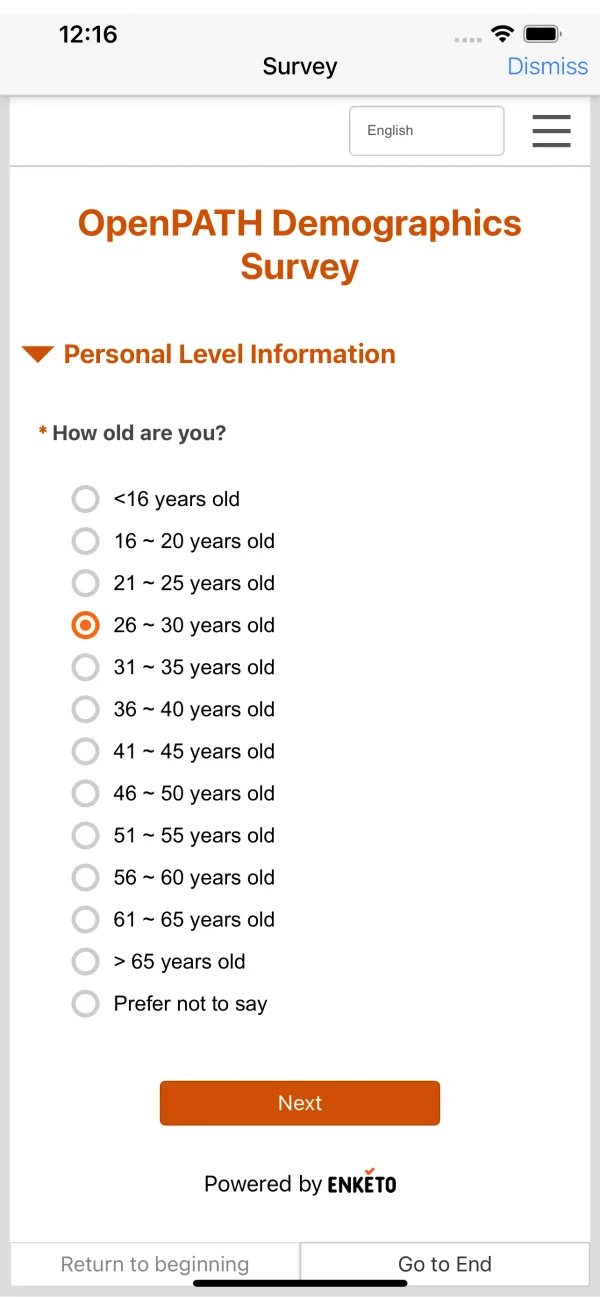
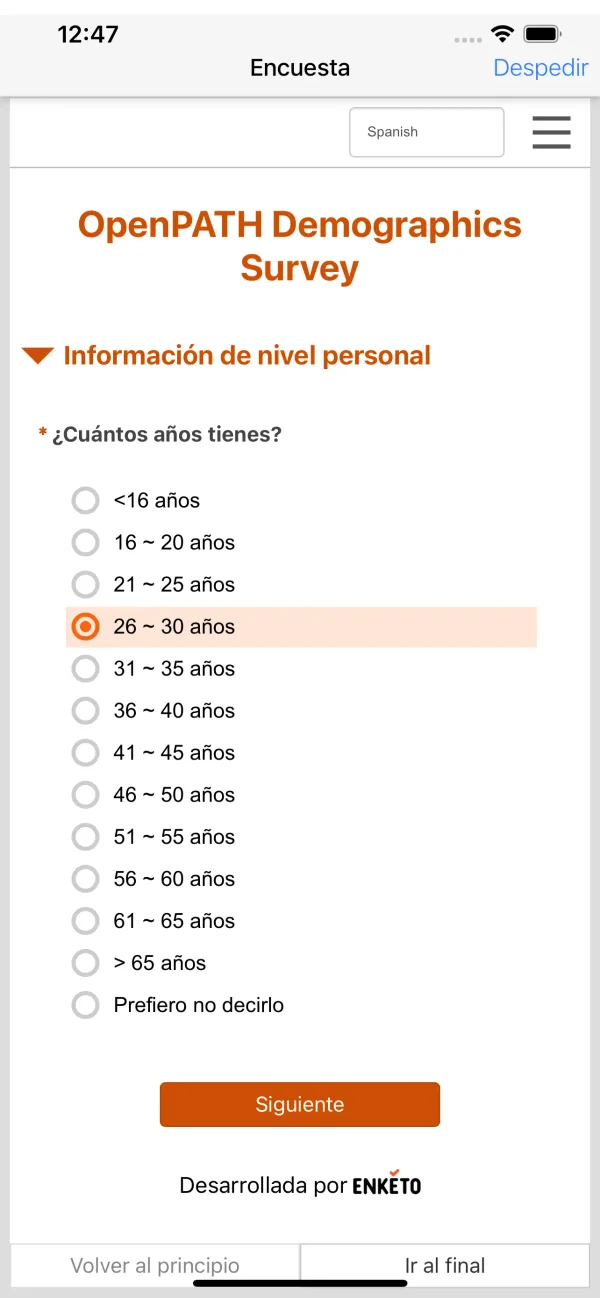
À propos
Le développeur n’a pas fourni ce texte dans votre langue.
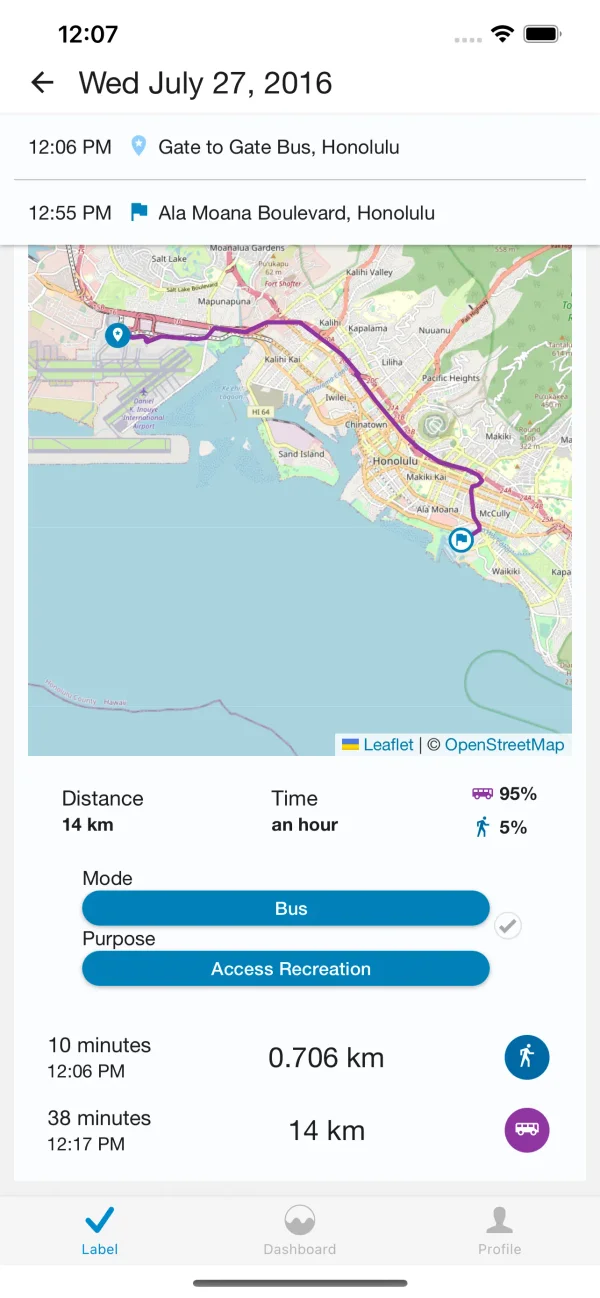
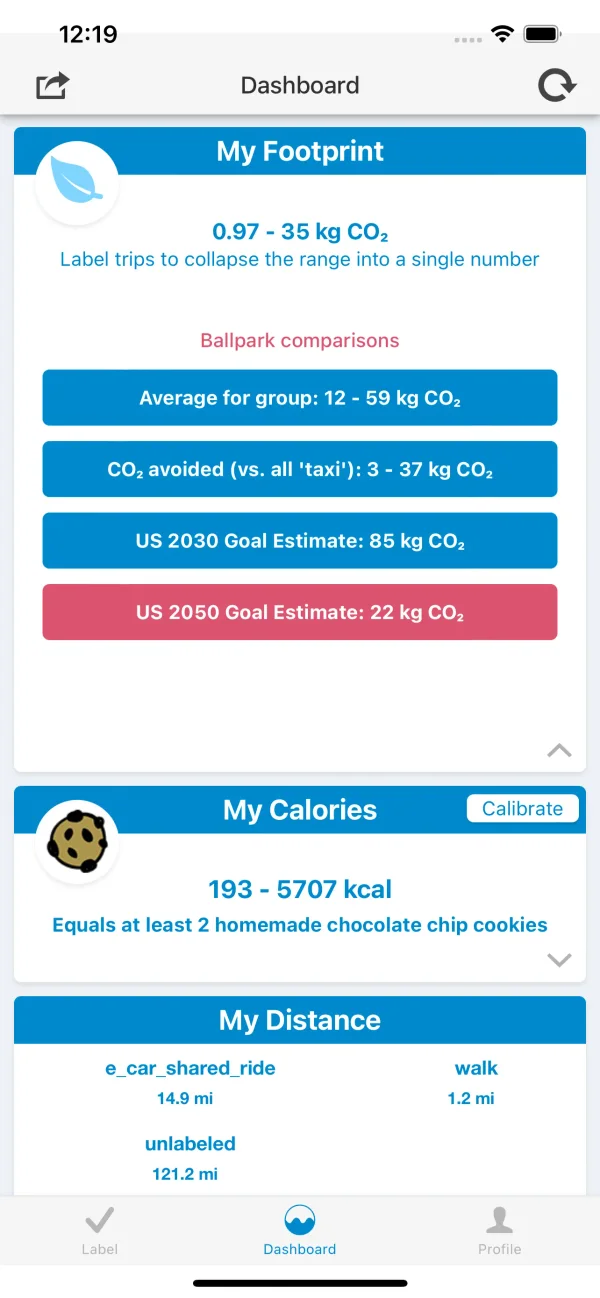
The National Laboratory of the Rockies' Open Platform for Agile Trip Heuristics (NLR OpenPATH) enables people to track their travel modes—car, bus, bike, walking, etc.—and measure their associated energy use and carbon footprint.
The app empowers communities to understand their travel mode choices and patterns, experiment with options to make them more sustainable, and evaluate the results. Such results can inform effective transportation policy and planning and be used to build more sustainable and accessible cities.
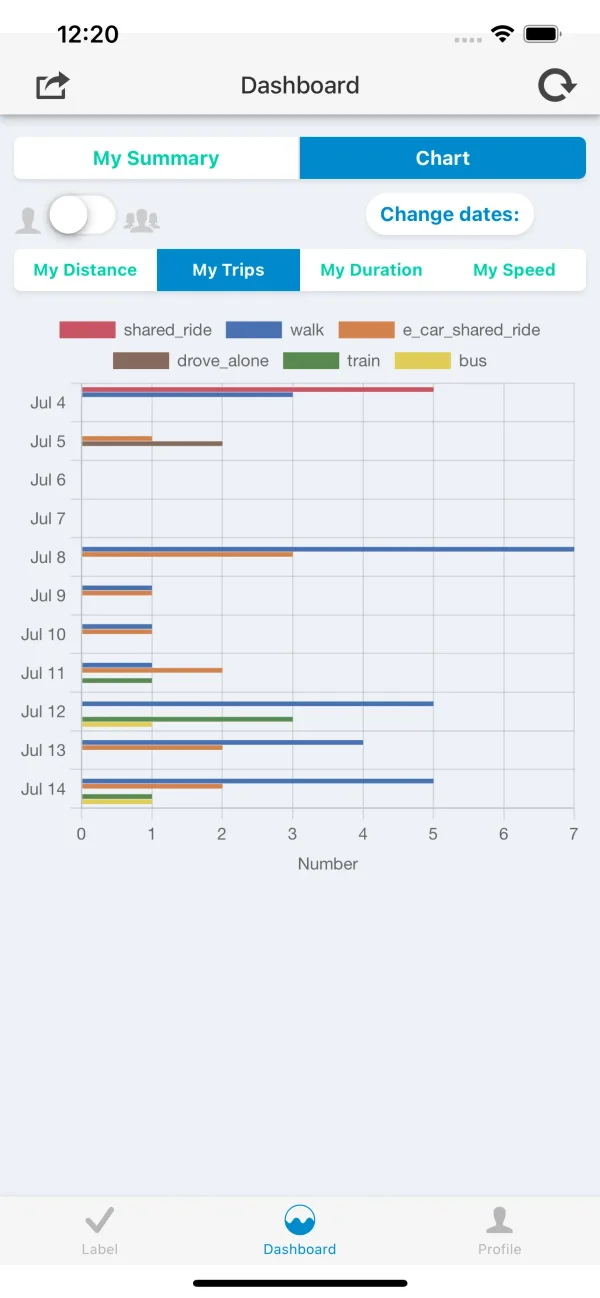
NLR OpenPATH informs individual users about the impact of their choices, and also makes aggregated, community-level data on mode shares, trip frequencies, and carbon footprints available via a public dashboard.
NLR OpenPATH incorporates continuous data collection and analysis via a smart phone app backed by a server and automated data processing. Its open nature enables transparent data collection and analysis, while allowing it to be configured for individual programs or studies.
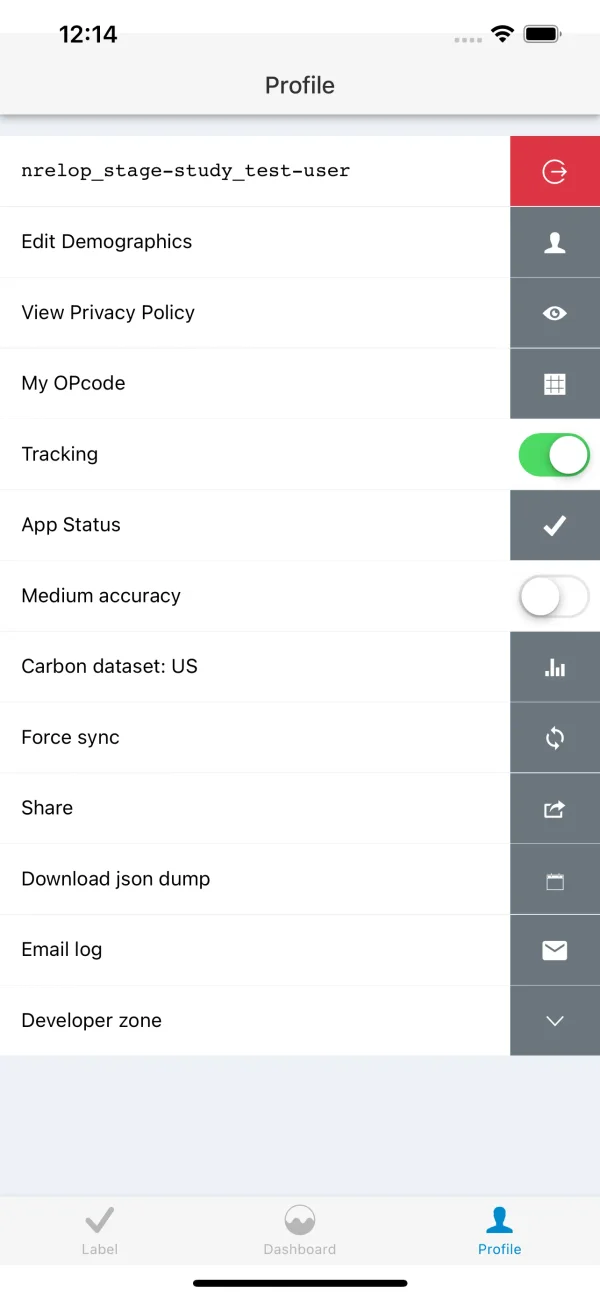
On first install, the app does not collect or transmit data. Once you click the link or scan the QR code to join a given study or program, you will be asked to consent to data collection and storage before the app begins functioning. If you are not part of a partner community or program but are simply interested in quantifying your individual carbon footprint, you can join the NLR-run open-access study. In the aggregate, your data might be used as the control for experiments run by our partners.
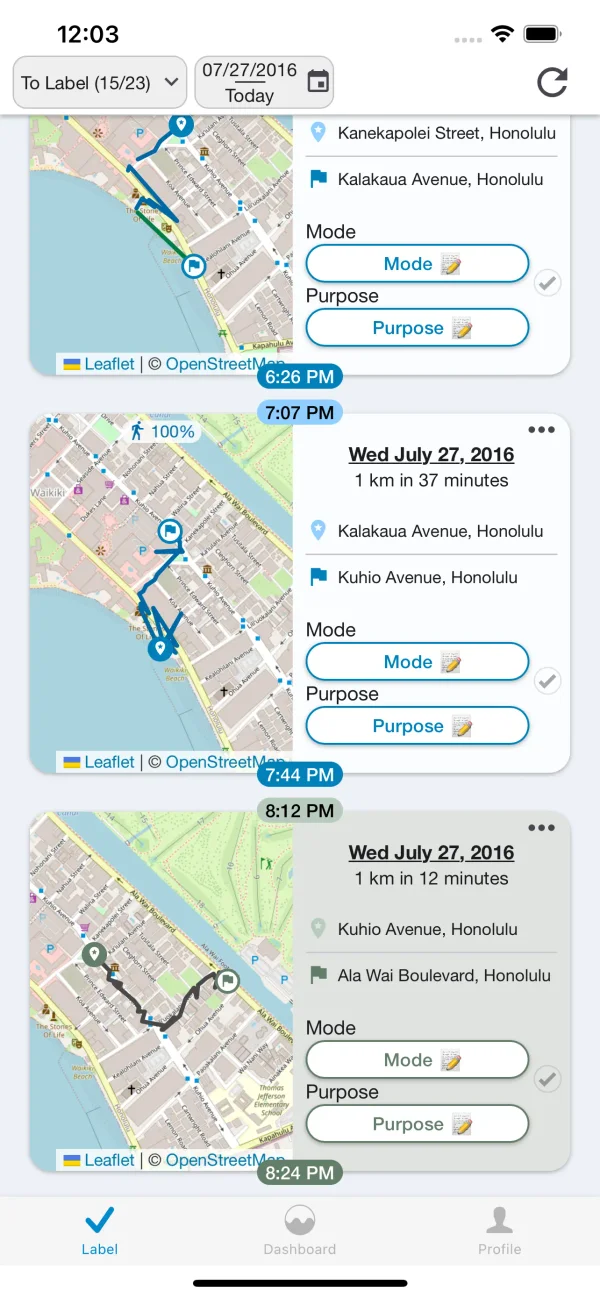
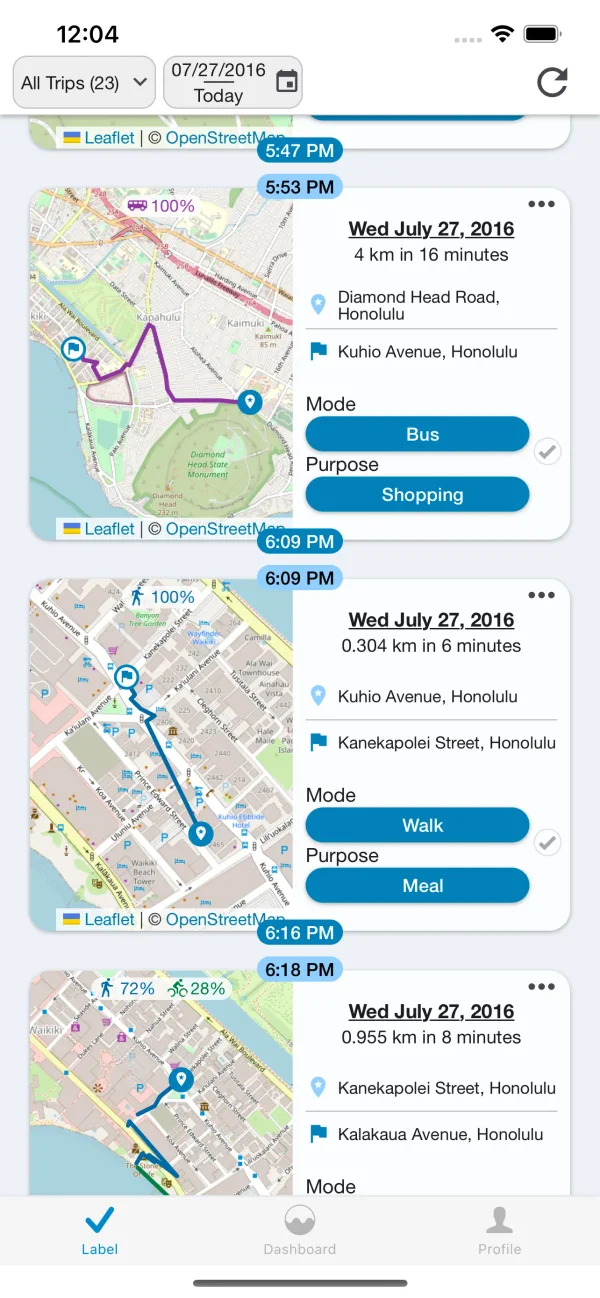
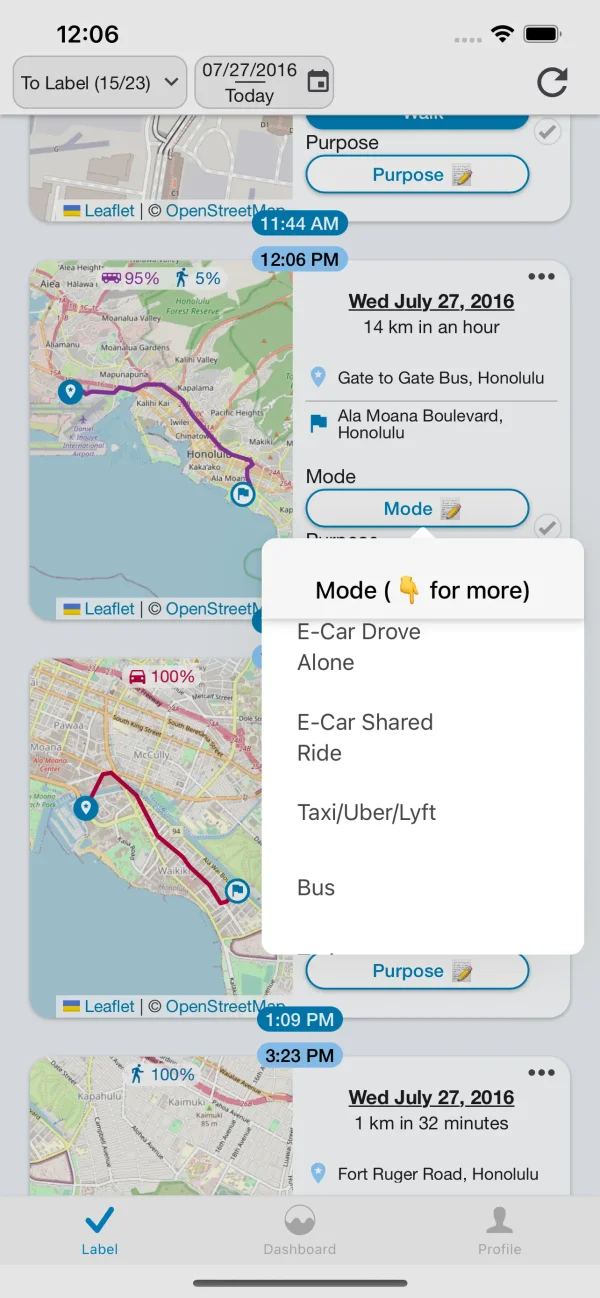
At its core, the app represents an automatically sensed travel diary, constructed from background sensed location and accelerometer data. You can annotate the diary with semantic labels as requested by a given program administrator or researcher.
Continued use of GPS running in the background can dramatically decrease battery life. Therefore, the app automatically turns off the GPS if you are not moving. This significantly reduces the battery drain caused by location tracking. The app results in ~ 5% battery drain for up to 3 hours of travel per day.
Nouveautés
Version 2.2.7 · 31/10/2026
- Improve UI error handling and provide option to email error reports
- Display vehicle library rates more clearly via configuration
- Upgrade SDK and tool dependencies
Confidentialité de l’application
Ce que National Renewable Energy Laboratory déclare sur l’App Store au sujet du traitement des données par cette application.
-
Données établissant un lien avec vous
Peuvent être collectées et liées à votre identité.
- Santé et forme
- Emplacement
- Données d’utilisation
- Informations sensibles
-
Données n’établissant aucun lien avec vous
Peuvent être collectées, mais ne sont pas liées à votre identité.
- Diagnostic
Les pratiques en matière de confidentialité peuvent varier, notamment en fonction des fonctionnalités que vous utilisez ou de votre âge.
Informations
- Vendeur
- National Renewable Energy Laboratory
- Catégorie
- Forme et santé
- Version
- 2.2.7
- Mis à jour
- 31/10/2026
- Publié
- 16/06/2022
- Taille
- 78,3 Mo
- Nécessite
- iOS 15.0 ou version ultérieure
- Classification d’âge
- 4+
- Prix
- Gratuit
- Langues
- Anglais
- Copyright
- © National Laboratory of the Rockies
Vous aimerez peut-être aussi
-
 Bloodworks AppMédecine
-
 Dockside CannabisMédecine
-
 South Sound YMCA.Forme et santé
-
 Fit Evo OnlineForme et santé
-
 Valley Cities Client PortalMédecine
-
 TRA MobileMédecine
-
 WTA Trailblazer: Go HikingForme et santé
-
 THS Patient PortalMédecine
-
 Hyena Rider AssistantForme et santé
-
 YMCA Snohomish CountyForme et santé