
Birth Defect Description
GBDDC Global Birth Defects
Designed for iPhone, iPad, iPod touch
Free
- Age rating17+
- CategoryReference
- DeveloperUniversity of Ulster
- LanguagesEnglish+ 3 more
- Size127.7 MB
Links to the official App Store page
Download.org hosts no file of Birth Defect Description. The button opens its official App Store page, published by University of Ulster. Listing last checked on Nov 12, 2026.
Screenshots
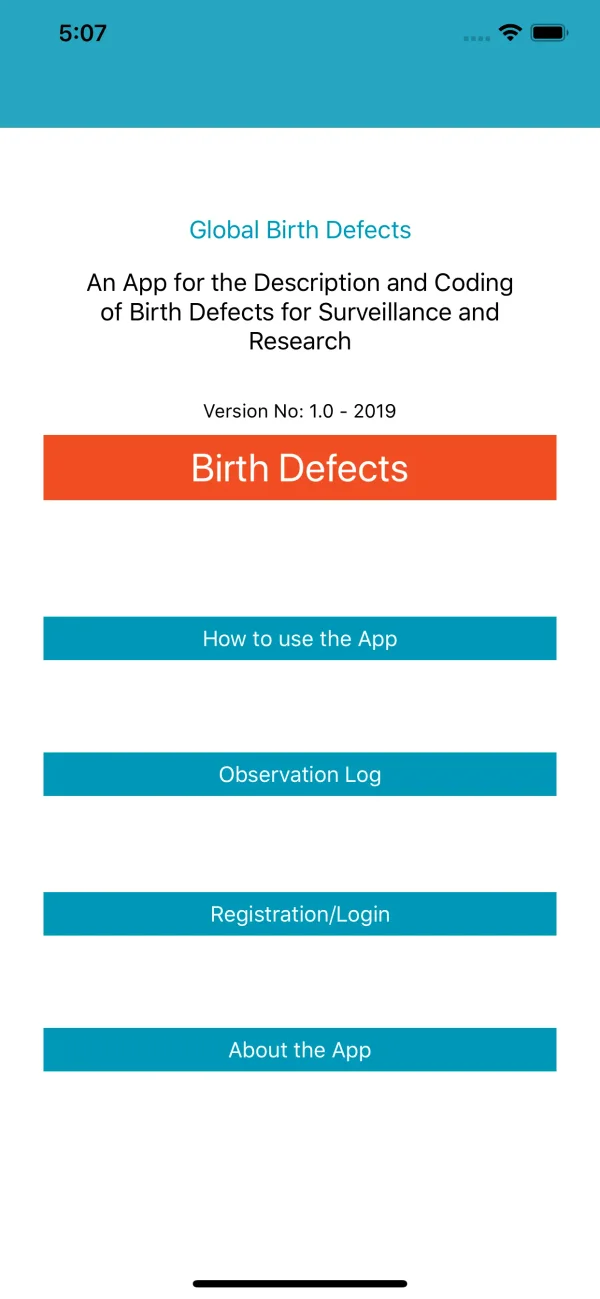
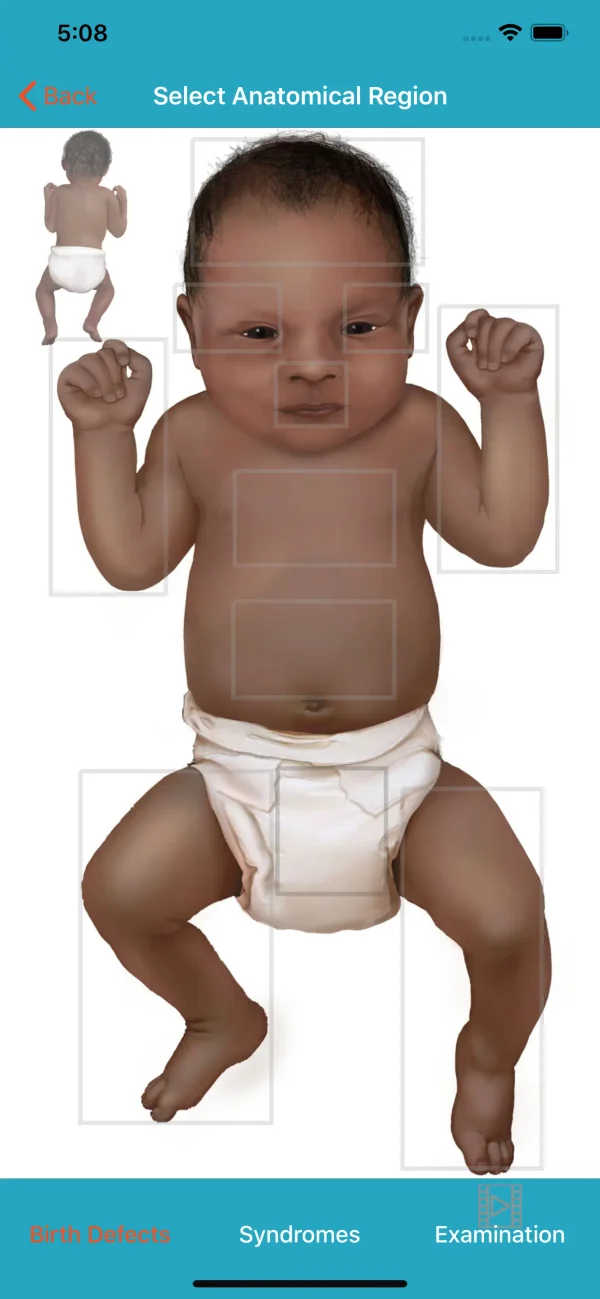
About
Global Birth Defect Description and Coding (GBDDC)
This is a reference App for the description and coding of congenital anomalies (birth defects)
The App has been developed by the International Committee for Congenital Anomaly Surveillance Tools for use in low resource settings where local expertise in congenital anomaly diagnosis is scarce. The main purpose of the APP is to help improve the description and coding of major externally visible congenital anomalies for surveillance and research. The App can also be used for training purposes.
Note: This App is not intended to replace referral of the baby for a clinical diagnosis, or to inform care options requiring clinical input.
What’s new
Version 2.3 · Aug 25, 2026
Updates to ICD codes and reference material.
General bug fixes for layout issues on modern phones with notch
App privacy
What University of Ulster declares on the App Store about how this app handles data.
-
Data linked to you
May be collected and linked to your identity.
- Contact info
-
Data not linked to you
May be collected but is not linked to your identity.
- User content
- Other data
Privacy practices may vary, for example with the features you use or your age.
Information
- Seller
- University of Ulster
- Category
- Reference
- Version
- 2.3
- Updated
- Aug 25, 2026
- Released
- May 11, 2019
- Size
- 127.7 MB
- Requires
- iOS 14.0 or later
- Age rating
- 17+
- Price
- Free
- Languages
- English, French, Portuguese, Spanish
- Copyright
- © University of Ulster
You might also like
-
 Medical English - DoxaFor doctors & nurses
-
 Genio AI: College Smart TutorBest app for college students
-
 Cogni: AI Flashcards & NotesMemorize more in less time
-
 MedSafeAI: AI Doctor Assistant80+ Pro Medical AI Assistants
-
 Bíblia Sagrada da Mulher: FéReference
-
 Toy And Games for kids & BabyEducational & relaxing games
-
 Thea: Study SmartAI study tool you can trust
-
 Smart Timetable: Study PlannerDaily Productivity Tracker
-
 Noji (formerly Anki Pro)Flashcards maker for studying
-
 Matific: Math GameAward-winning learning for K-9