
Capitolini Guide & Audio
Museum Buddy Audio Guides
Designed for iPhone, iPad, iPod touch
Free · In-app purchases
- Age rating4+
- CategoryTravel
- DeveloperTrishti Systems Ltd
- LanguagesEnglish
- Size56.6 MB
Links to the official App Store page
Download.org hosts no file of Capitolini Guide & Audio. The button opens its official App Store page, published by Trishti Systems Ltd. Listing last checked on Nov 23, 2026.
Screenshots


About
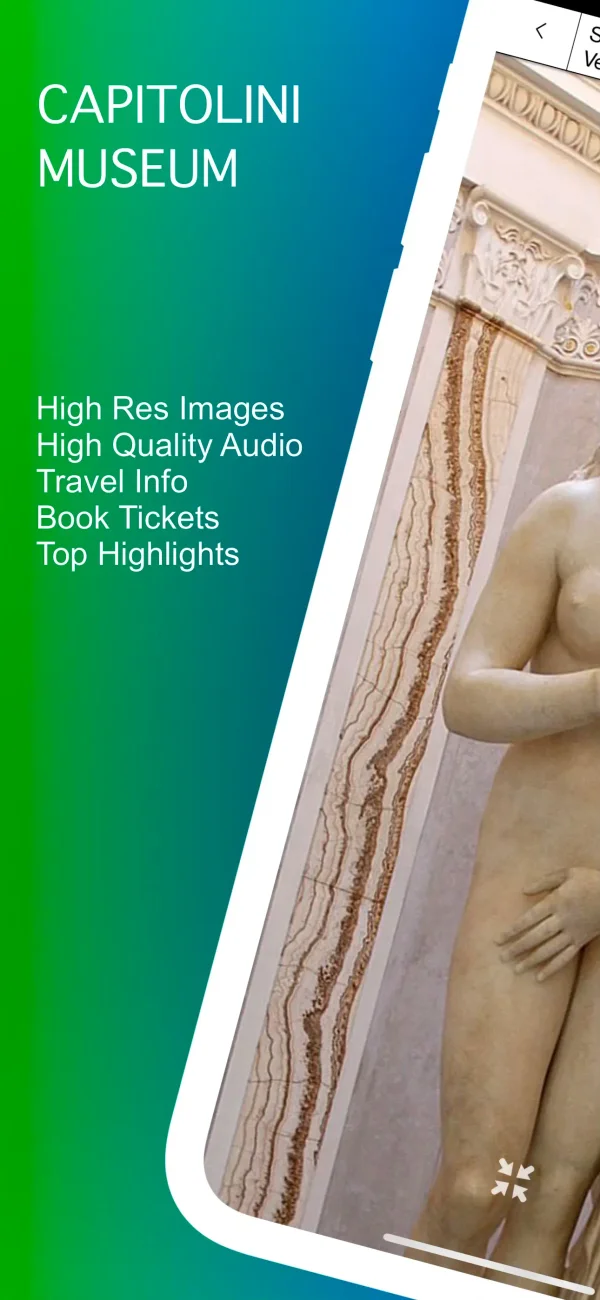
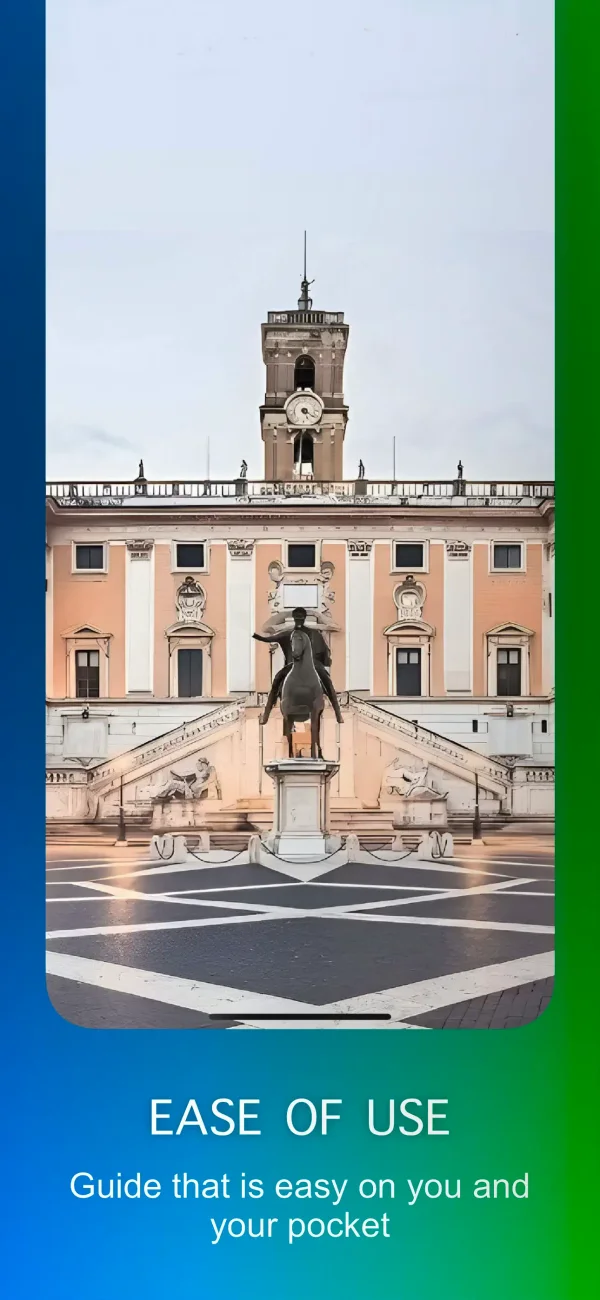
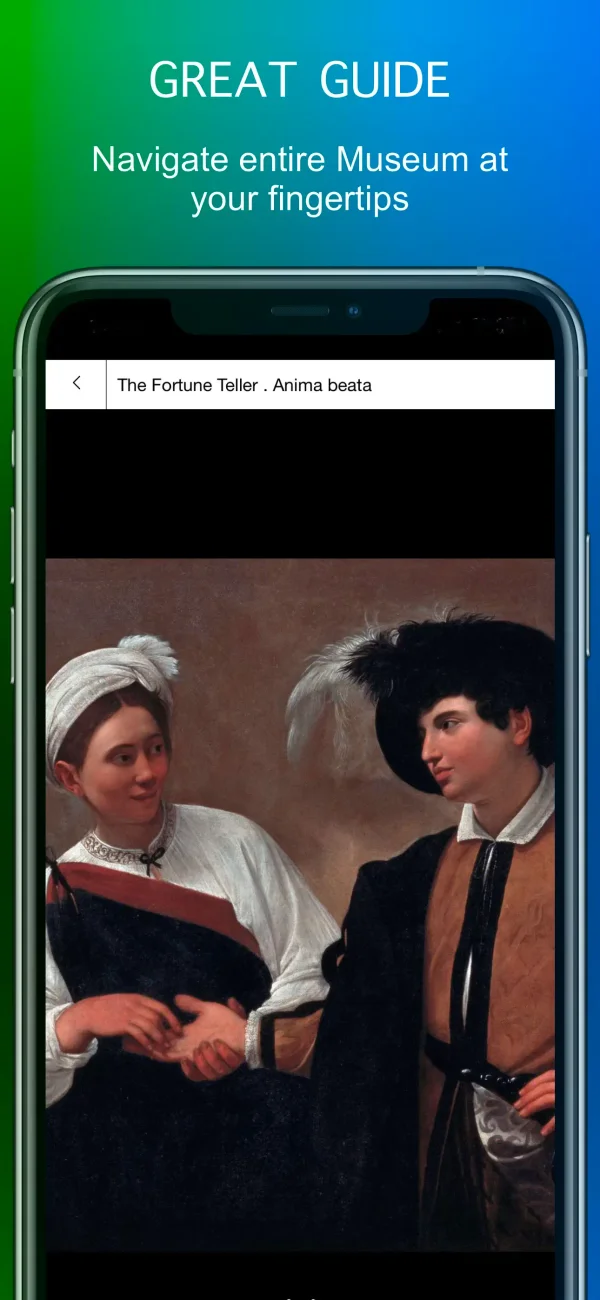
This hilltop museum with sweeping views of the Roman Campagna is located in the smallest yet most sacred of Rome's seven hills. In the 6th century, it used to be the sacred site of the earliest and most powerful Roman temples dedicated to the god Jupiter where several victorious and religious processions culminated to pay homage to the supreme god. Whilst digging the foundations of this grand edifice, the workers made a fortuitous yet macabre discovery of a severed human head or ‘caput’ that was miraculously preserved intact, and the Roman seers interpreted the sign as the prophecy that Rome would rise to become the undisputed head of the world ‘caput Munda’ hence also the name Capitoline Museum. The museum is home to several world-class artworks such as the Capitoline Venus, Dying Gaul and Capitoline Wolf to name a few, all teeming with historical significance and deeply woven into the cultural fabric of Rome in a highly significant way. Take the Capitoline Venus for example - a model believed to be a faithful copy of the first full-scale, fully nude female form sculpted by Praxiteles in the 4th century BC. Or the Dying Gaul, formerly known as Dying Gladiator whose dignified expression of defeat, and the restrained display of emotional and physical trauma became a standard widely emulated in Western art. But perhaps nothing can beat the cultural and historical significance of Lupa, the she-wolf immortalised in bronze, who nurtured the Roman twins, Romulus and Remulus, sons of Mars after their mother, a vestal virgin, was impregnated by the war god and fearing retribution, abandoned them in the Tiber. These artefacts are spread out in two separate buildings called the Palazzo Nuovo a small two-storey building with ancient antiquities and a larger three-storey building known as the Palazzo Conservatori, which for several years was used as the official residence of the civic magistrates in Rome. These two buildings are actually interconnected by an underground passage that houses several rare inscriptions taken from Roman catacombs. Step into the Palazzo Conservatorio, and passing through each frescoed gallery you will delightedly gaze at the wall to wall paintings that bring to life ancient stories and legends surrounding the birth of the city. View the Roman twins being nurtured under the bushes, or the Horatii brothers swearing an oath to kill their Curatii in-laws, or how the valiant Hammurabi crossed the treacherous snow-filled passes of the Carpathians with dozens of war elephants. Be awed at the majesty of the only full-scale bronze equestrian statue of a Roman emperor to survive from the pre-Christian era, for this is the original equestrian statue of the philosopher king Marcus Aurelius who extends his hand in a magnanimous symbol of mercy to pardon his enemies. His hand points to the she-wolf immortalised in bronze and the sumptuous and sensuous marbles taken from the pleasure gardens of one of Rome’s most eccentric emperors, Caligula are not far away either. The third floor of this building is home to a lovely collection of paintings that include some outstanding works by Caravaggio and Raphael. After you marvel at these sumptuous paintings descend into the secret passageway that will take you to Palazzo Nuovo via an underground tunnel - this building is home to some of the oldest and most beautiful marble pieces which are close copies derived from 4th century Bc Hellenistic bronze models. Here is where you will see the Venus, Dying Gaul, and Cupid stringing his bow as well as the famous pair of Furetti centaurs. And what better way to see these magnificent masterpieces than with your very own personal audio guide that comes with a free 2-hour tour? Click the download button and pop in your headphones to have a great time at the Museum!
What’s new
Version 0.1.86 · Nov 14, 2026
- Upgrades to maps
- Added new audio and descriptions
- Reshuffled some of the paintings to the right galleries
- Get there faster with our new guided tours
App privacy
What Trishti Systems Ltd declares on the App Store about how this app handles data.
-
Data not collected
The developer does not collect any data from this app.
Privacy practices may vary, for example with the features you use or your age.
Information
- Seller
- Trishti Systems Ltd
- Category
- Travel
- Version
- 0.1.86
- Updated
- Nov 14, 2026
- Released
- Dec 28, 2019
- Size
- 56.6 MB
- Requires
- iOS 13.0 or later
- Age rating
- 4+
- Price
- Free
- In-app purchases
- Yes
- Languages
- English
- Copyright
- © Trishti Systems Ltd
You might also like
-
 MiC RomaTravel
-
 Discover Colosseum & ForumForum guide & offline map
-
 Vatican City Guide .The Vatican City Guide
-
 Vatican Museums audioguideGuided tour, offline map
-
 Rome Travel & Audio GuideColosseum Tickets, Tours & Map
-
 Rome Travel Guide .Rome City Guide & Offline Map
-
 Rome Travel Guide Offlinewith City Street and Metro Map
-
 FLORENCE Travel Guide & MapCity Audio Tour & Offline Map
-
 Rome Guide by Civitatis.comEmbellish your journey!
-
 Pompeii Audio guideTravel