
- Age rating4+
- CategoryUtilities
- DeveloperMICHIGAN STATE UNIVERSITY
- LanguagesEnglish
- Size22.8 MB
Links to the official App Store page
Download.org hosts no file of Enviroweather Mobile. The button opens its official App Store page, published by MICHIGAN STATE UNIVERSITY. Listing last checked on Nov 12, 2026.
Screenshots
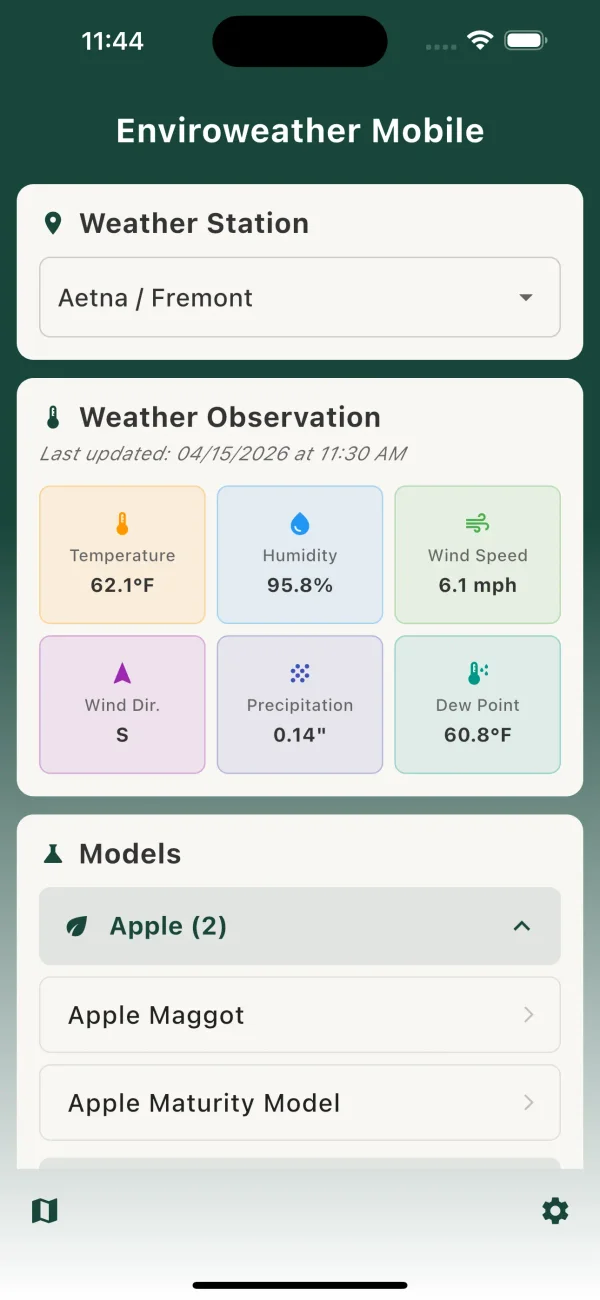


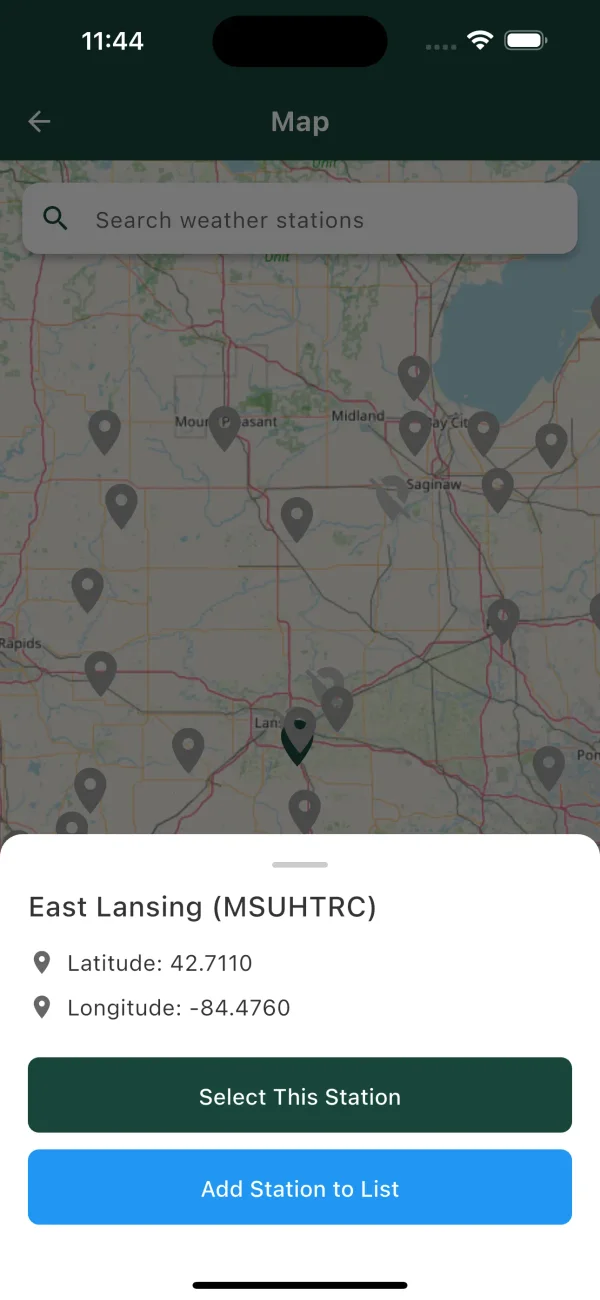
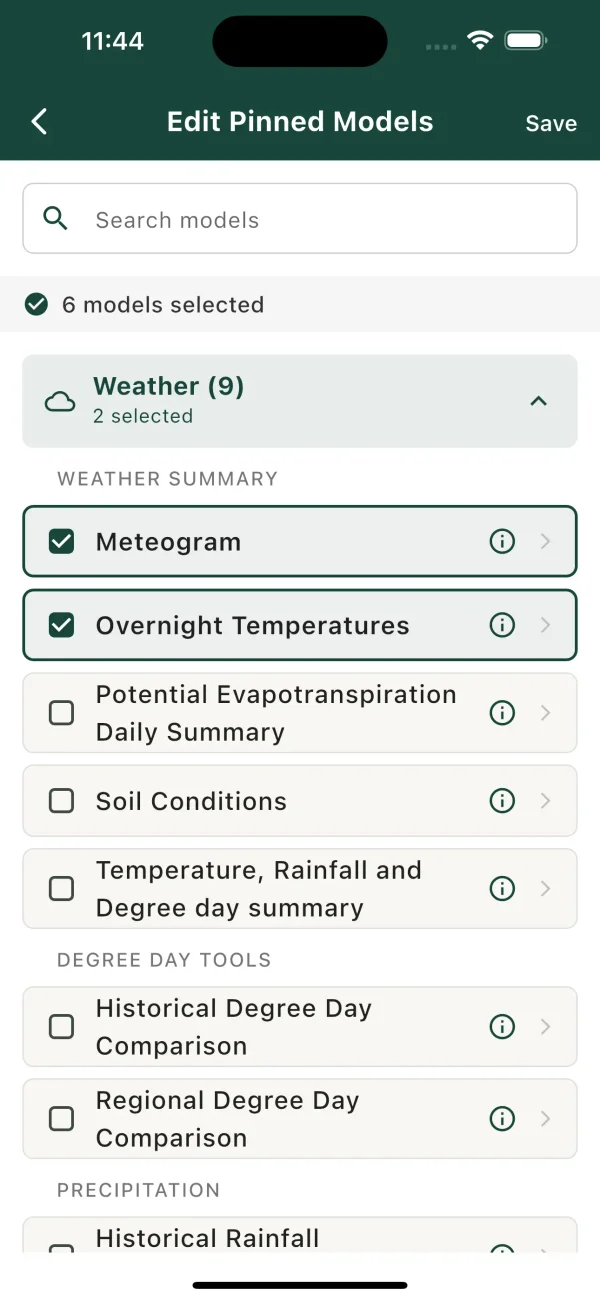
About
Enviroweather Mobile keeps you informed with real-time weather data and pest management insights from Michigan State University’s Enviroweather system, making it an essential tool for farmers and agricultural professionals who rely on accurate, localized information. The app delivers real-time observations from numerous stations positioned throughout the Upper and Lower Peninsulas of Michigan. It also includes agricultural pest management models such as Fire Blight and Potato Growth, along with features that let you pin favorite stations for quick access, explore nearby locations through an interactive map, and even view cached data when offline. With the ability to switch between US Imperial and Metric units, Enviroweather Mobile supports crop monitoring, field planning, and pest management by providing the reliable decision‑support tools you need to make informed choices.
App privacy
What MICHIGAN STATE UNIVERSITY declares on the App Store about how this app handles data.
-
Data not linked to you
May be collected but is not linked to your identity.
- Location
- Diagnostics
Privacy practices may vary, for example with the features you use or your age.
Information
- Seller
- MICHIGAN STATE UNIVERSITY
- Category
- Utilities
- Version
- 1.0
- Updated
- Apr 16, 2026
- Released
- Apr 16, 2026
- Size
- 22.8 MB
- Requires
- iOS 13.0 or later
- Age rating
- 4+
- Price
- Free
- Languages
- English
- Copyright
- © 2026 Michigan State University AgBioResearch
You might also like
-
 Blueberry CounterUtilities
-
 MyToroTempusControl your irrigation system
-
 Slakes: Soil Health TestMeasure Aggregate Stability
-
 GLEGreat Lakes Energy
-
 Mercury @ HomeUtilities
-
 Consumers EnergyUtilities
-
 Temp StickUtilities
-
 DTE EnergyPay Your Bills, Report Outages
-
 Nee-VoUtilities
-
 Mobile Link for GeneratorsPeace of mind, where you are.